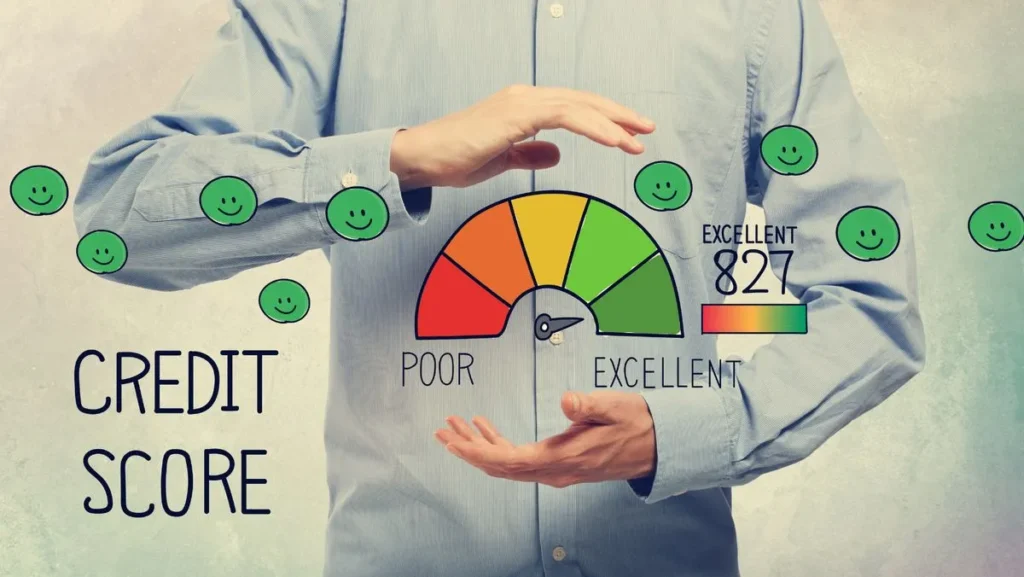
In other words, your credit score is your financial image nowadays. A good score can open many doors when applying for a loan, credit card, or rent property. Ever wondered how to improve credit score fast? Here’s a complete step-by-step guideline on how to increase it quickly and maintain it in the long run.
What’s a Credit Score and Why Does It Matter?
A credit score is a number with three digits that shows how trustworthy you are as a borrower. Payment history, levels of debt, type of credit, and length of credit history are some factors taken into account for the measure.
Here’s why it matters:
- Determines loan approval and interest rates
- Impacts credit card eligibility
- Helps landlords or employers assess financial reliability
A score above 750 is considered good in India. The higher your number, the more confidence lenders have in your financial discipline.
Factors That Affect Your Credit Score
Understanding what influences your credit score is the first step to improving it quickly.
1. Payment History
Your payment history makes up the biggest portion of your score. Late or missed payments can lower your rating fast.
Tip: Set reminders or enable auto-pay for EMIs and bills.
2. Credit Utilization Ratio
Using more than 30% of your available credit limit negatively affects your score.
Tip: Keep utilization below 30% for example, if your limit is ₹1,00,000, try not to use more than ₹30,000.
3. Length of Credit History
Older accounts show long-term reliability.
Tip: Don’t close old credit cards even if you rarely use them.
4. Credit Mix
Having a balanced mix of loans personal, home, or car shows you can manage different types of credit responsibly.
5. Credit Inquiries
Each time you apply for credit, lenders perform a “hard inquiry,” which can slightly reduce your score.
Tip: Apply only when necessary.
10 Effective Ways to Improve Credit Score Fast
Let’s explore practical, actionable steps you can start implementing today.
1. Pay Your Bills on Time
This is the golden rule. Consistent on-time payments quickly help improve credit score. Use automatic payments or phone reminders to never miss due dates.
2. Reduce Outstanding Credit Card Balances
High balances hurt your utilization ratio. Try paying off small debts first and work your way up. This method, known as the “snowball technique,” can show results in a few months.
3. Avoid Applying for Multiple Loans at Once
Too many credit applications create red flags for lenders. Focus on building a strong record with existing credit lines instead.
4. Check Your Credit Report Regularly
Errors on your report can harm your score. Use trusted platforms like CIBIL, Experian, or CRIF High Mark to review your credit report every few months. If you find inaccuracies, dispute them immediately.
5. Increase Your Credit Limit (But Don’t Overspend)
If you’re financially disciplined, request a higher credit limit. It lowers your utilization ratio and is an easy way to improve credit score fast without paying off debt.
6. Maintain Old Credit Accounts
Length of history adds credibility. Keep older credit cards open even if you no longer use them actively.
7. Diversify Your Credit Portfolio
Lenders prefer individuals who can handle both secured (like home loans) and unsecured credit (like credit cards). A good mix can steadily improve credit score over time.
Read Also – Everything You Need to Know About Income Tax Audit
8. Use a Credit Builder Loan
If you’re new to credit or have a low score, a small credit builder loan from your bank or fintech platform can help you establish a positive repayment history.
9. Automate Payments and Track Spending
Small missed payments can harm your score. Set up automatic deductions for EMIs and use expense tracking apps to stay on top of finances.
10. Monitor Your Progress Every Month
Use apps like OneScore or PaisaBazaar to track your score changes. Regular monitoring keeps you aware of what’s helping or hurting your credit health.
Common Mistakes to Avoid While Improving Your Credit Score
Even small mistakes can set you back months. Avoid these pitfalls:
- Closing old credit cards (reduces credit age)
- Applying for multiple credit cards or loans frequently
- Ignoring your credit report
- Paying only the minimum due on credit cards
Being proactive and consistent helps you improve credit score faster than quick fixes ever will.
How Long Does It Take to Improve Credit Score?
Realistically, improving your score takes 3 to 6 months of consistent effort. However, paying off high balances and fixing report errors can sometimes show visible improvements in as little as 30 days.
Best Tools to Track and Improve Credit Score
You don’t have to do it alone. Try these reliable tools and apps:
- OneScore – Free, real-time credit updates and insights
- CIBIL – Official credit report tracking
- Experian – Global credit tracking and analysis
- BankBazaar – Monthly updates with personalized recommendations
These apps make it easier to stay informed and improve your credit score effectively.
Myths About Credit Score You Should Stop Believing
Let’s clear up a few common misconceptions:
❌ Checking your credit score lowers it — False!
❌ You must pay agencies to fix your score — Not true!
❌ Closing unused cards improves your score — Actually, it can lower it!
Knowing the facts can prevent unnecessary damage to your credit profile.
Expert Advice to Maintain a High Credit Score
Once you’ve raised your score, maintaining it is equally important.
- Always pay on time.
- Keep utilization low.
- Review your credit report at least twice a year.
- Borrow responsibly and avoid impulsive spending.
Conclusion: Take Control of Your Financial Future
Improving your credit score is not magic, it’s consistency. If you stay disciplined with payments, avoid overborrowing, and check your credit reports regularly, you’ll not only improve credit score fast but also secure your long-term financial confidence.
Start today, even small steps can make a big difference!
FAQs About How to Improve Credit Score
Q1. How can I make my credit score improve fast?
First, pay the bills on time; next, try to reduce debts that have been on for long; and finally, keep your credit utilization below 30%.
Q2. Can I improve credit score in just one month?
Yes, you may achieve small improvements in case you clear off your debts immediately or fix any errors present in your credit report at the earliest.
Q3. Does paying off the full amount on my credit card increase my score?
Definitely. Paying the full amount instead of just the minimum due establishes good faith with lenders.
Q4. What are the best apps to check and improve my credit score?
The trusted apps for score monitoring and enhancement are OneScore, CIBIL, and Experian.
Q5. Does checking my credit score pull it down?
No. Soft inquiries, such as checking your credit score, do not affect your credit rating.