Artificial Intelligence (AI) is one of the fastest-growing fields in the world. From chatbots and self-driving cars to healthcare innovations and digital marketing, AI is everywhere. With companies across industries investing in AI-powered solutions, building a career in artificial intelligence has become one of the most rewarding and future-proof choices.
But where do you begin? Don’t worry, we’ll break it down step by step so you can confidently start your journey in AI, even if you’re a beginner.

Why Choose a Career in Artificial Intelligence?
Before jumping into how to start, let’s understand why AI is worth considering.
- High demand: Businesses need AI specialists to stay competitive.
- Lucrative salaries: AI engineers, data scientists, and ML experts often earn above-average pay.
- Future-proof career: AI will continue to evolve, creating endless opportunities.
- Impactful work: AI careers let you solve real-world problems like climate change, healthcare diagnosis, and automation.
If you’re looking for a career that combines technology, creativity, and problem-solving, a career in artificial intelligence is a strong choice.
Essential Skills for a Career in Artificial Intelligence
To build expertise in AI, you’ll need both technical and soft skills.
Technical Skills
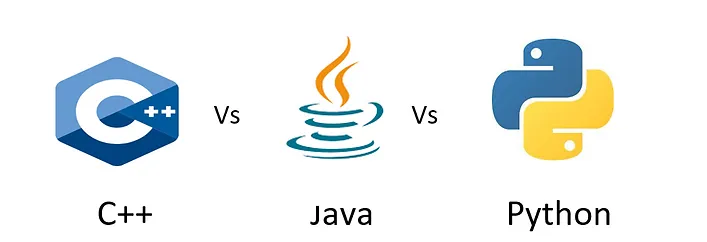
- Programming languages: Python, R, Java, or C++.
- Mathematics: Linear algebra, probability, and statistics.
- Machine Learning (ML): Supervised and unsupervised learning techniques.
- Deep Learning: Neural networks, natural language processing (NLP), and computer vision.
- Data Handling: Data cleaning, visualization, and big data tools.
Soft Skills
- Problem-solving mindset.
- Critical thinking.
- Curiosity and adaptability.
- Communication skills to explain complex AI concepts in simple terms.
Educational Path for a Career in Artificial Intelligence
While there’s no single route, these options can guide you:
Bachelor’s Degree
Start with degrees in:
- Computer Science
- Data Science
- Engineering
- Mathematics or Statistics
Master’s Degree / Higher Studies
For deeper expertise, consider a Master’s in AI, ML, or Data Science. This opens advanced roles in research and innovation.
Online Courses & Certifications
Not everyone needs a full degree. Many beginners start with online certifications from platforms like Coursera, edX, or Udemy. These cover everything from Python basics to advanced AI concepts.
Steps to Start a Career in Artificial Intelligence
Step 1: Learn the Basics of AI
Get familiar with AI fundamentals, what it is, how it works, and where it’s applied. Free resources, YouTube tutorials, and beginner-friendly books are a great start.
Step 2: Master Programming & Mathematics
Without strong programming and math skills, working in AI can be tough. Dedicate time to learn Python, statistics, and algorithms.
Step 3: Take Specialized AI Courses
Enroll in structured courses that cover machine learning, deep learning, and natural language processing.
Step 4: Work on Real Projects
Hands-on practice is essential. Build projects like:
- Spam email detection
- Chatbots
- Image recognition systems
- Sentiment analysis tools
This practical experience will help you stand out to employers.
Step 5: Create a Portfolio
Showcase your projects on GitHub or personal blogs. Recruiters prefer candidates who can demonstrate their skills in real-world applications.
Step 6: Apply for Internships & Entry-Level Roles
Start with internships or roles like Data Analyst, Junior AI Engineer, or Machine Learning Intern. These help you gain experience and build credibility.
Step 7: Stay Updated With AI Trends
AI is changing rapidly. Follow AI journals, attend webinars, and join communities like Kaggle or LinkedIn groups.
Top Career Opportunities in Artificial Intelligence
Here are some roles you can pursue:
- AI Engineer – Build and deploy AI models.
- Machine Learning Engineer – Focus on algorithms and predictive models.
- Data Scientist – Analyze and interpret large datasets.
- NLP Specialist – Work on chatbots, voice assistants, and text analysis.
- Computer Vision Engineer – Create systems that interpret images and AI videos.
- AI Research Scientist – Innovate new AI techniques.
Each role requires a mix of technical skills, problem-solving abilities, and creativity.
Challenges in Building a Career in Artificial Intelligence
- Steep learning curve: Requires strong coding and math skills.
- Rapidly evolving field: What’s trending today may change tomorrow.
- High competition: Many professionals are moving into AI.
- Practical experience: Employers value real projects over just certifications.
But with consistent learning and hands-on practice, these challenges can be overcome.
Future of a Career in Artificial Intelligence
The future of AI careers looks bright. Fields like healthcare, finance, cybersecurity, and education are adopting AI at a rapid pace. By 2030, AI is expected to contribute trillions to the global economy, meaning opportunities will only grow.
So if you start building your skills now, you’ll be well-positioned for high-paying, meaningful work in the future.
Conclusion
Starting a career in artificial intelligence may seem overwhelming at first, but with the right learning path, practical projects, and consistent growth, it’s achievable for anyone. AI is not just about coding, it’s about solving problems, innovating, and shaping the future.
If you’re curious, motivated, and willing to learn, now is the best time to step into the world of AI.
FAQs on Career in Artificial Intelligence
Q1: Do I need a degree to start a career in artificial intelligence?
Not always. While a degree helps, many professionals start with online courses and projects to build expertise.
Q2: What is the first step to learning AI?
Start with programming (Python) and basic math. Then, move to machine learning and AI-specific courses.
Q3: How long does it take to build a career in AI?
On average, it takes 6 months to 2 years depending on your dedication, background, and chosen path.
Q4: What industries offer the best jobs in AI?
Healthcare, finance, retail, education, and IT are the leading industries hiring AI specialists.
Q5: Is AI a good career for beginners?
Yes! AI is a great field for beginners if they’re willing to learn step by step. With high demand and growth, it’s one of the best career choices today.